
 Infra
InfraAI Overviews vs AI Mode: why they cite different sources in 2026
Google merged AI Overviews and AI Mode into one search box in 2026, yet they still share only 13.7% of citations. Here is why, and how to earn both.
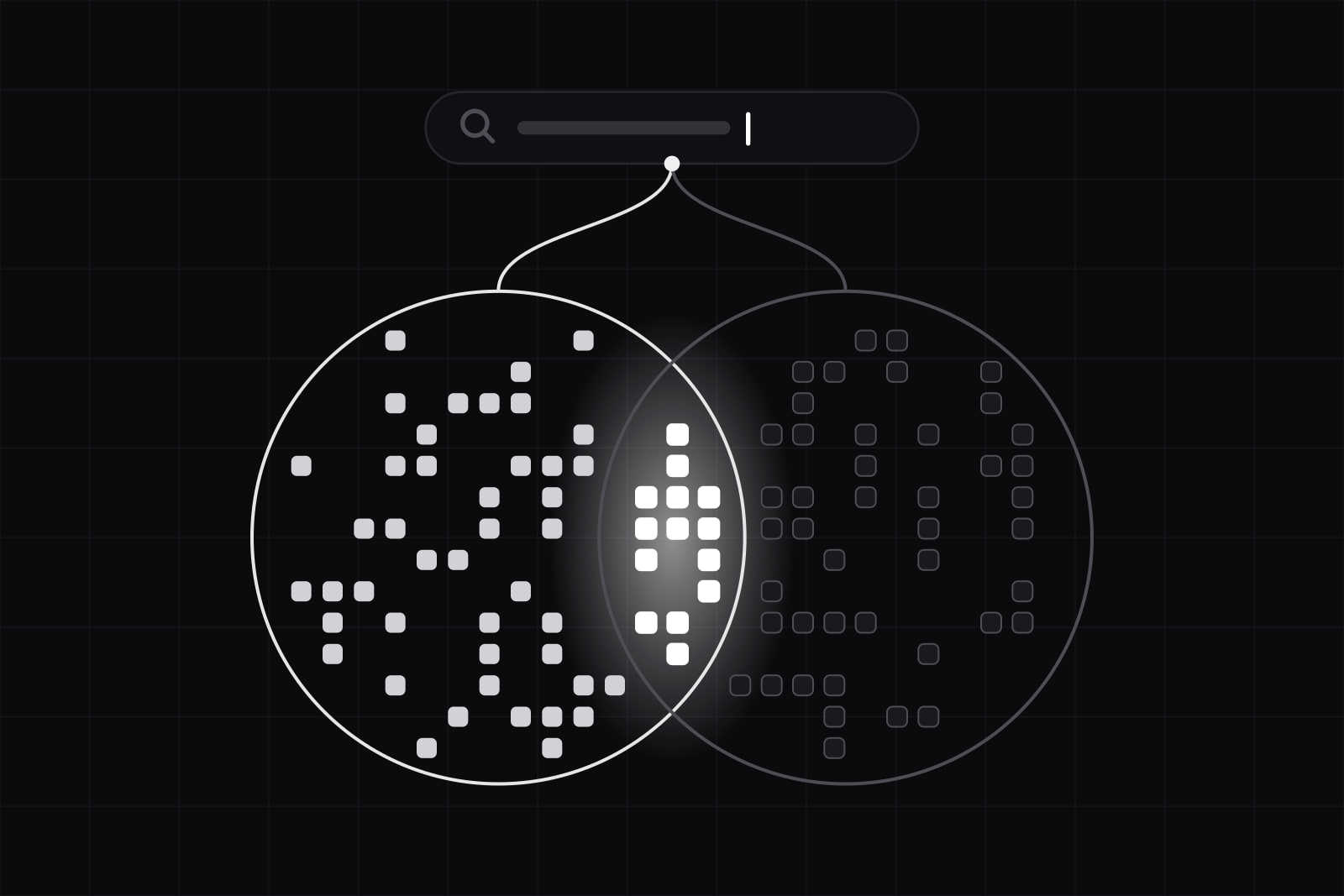
AI Overviews and AI Mode are two Google Search surfaces that answer the same question with mostly different sources. An Ahrefs study of 730,000 AI responses found that only 13.7% of the URLs cited in AI Overviews also appear in AI Mode for the same query. Same search engine, same index, two citation systems that barely overlap.
This matters because most teams optimize for one surface and assume the other follows. It does not. If your page earns a citation in the AI Overview, there is roughly a four-in-five chance it is invisible in AI Mode, and the reverse holds too. Understanding why the two diverge is the difference between appearing in one AI answer and appearing in both.
Who should care about which
If your buyers ask short, factual questions ("what is usage-based pricing"), AI Overviews is where you need to appear. It fires automatically on informational queries and reaches 2.5 billion people a month, per Google's own I/O 2026 figures. If your buyers research decisions in depth ("compare billing platforms for a Stripe migration"), AI Mode is the surface that matters. It runs multi-step reasoning, cites more sources, and reached 1 billion monthly users in its first year. Most B2B SaaS content needs both, because a real buying journey moves from the quick question to the deep one.
The two surfaces at a glance
| Axis | AI Overviews | AI Mode |
|---|---|---|
| Trigger | Automatic on informational queries | Conversational surface, now inside the same flow |
| Retrieval | Single pass over top results | Query fan-out into parallel sub-queries |
| Reasoning | Single-query summary | Multi-step |
| Sources cited per query (avg) | 7.7 domains | 9.2 domains |
| Entities referenced (avg) | 1.3 | 3.3 |
| Answer length | Short | About 4x longer |
| Wikipedia frequency | 18.1% | 28.9% |
| Monthly users (Google, I/O 2026) | 2.5 billion | 1 billion |
Narrow the comparison to just the top three citations in each response and the overlap rises only to 16.3%. Across the full dataset, 77% of cited domains appear on one surface and not the other. These are not two views of one ranking. They are two rankings.
How AI Overviews picks its sources
AI Overviews runs closest to classic search. It takes a single query, pulls the top-ranking results, and summarizes them into a short answer with a handful of citations. On average it cites 7.7 domains per query and references 1.3 distinct entities, according to the Ahrefs data. Wikipedia shows up in 18.1% of responses. The practical read: AI Overviews rewards pages that already rank well and answer the head query cleanly. If you are on page one for the exact question, you have a real shot at the citation.
How AI Mode picks its sources
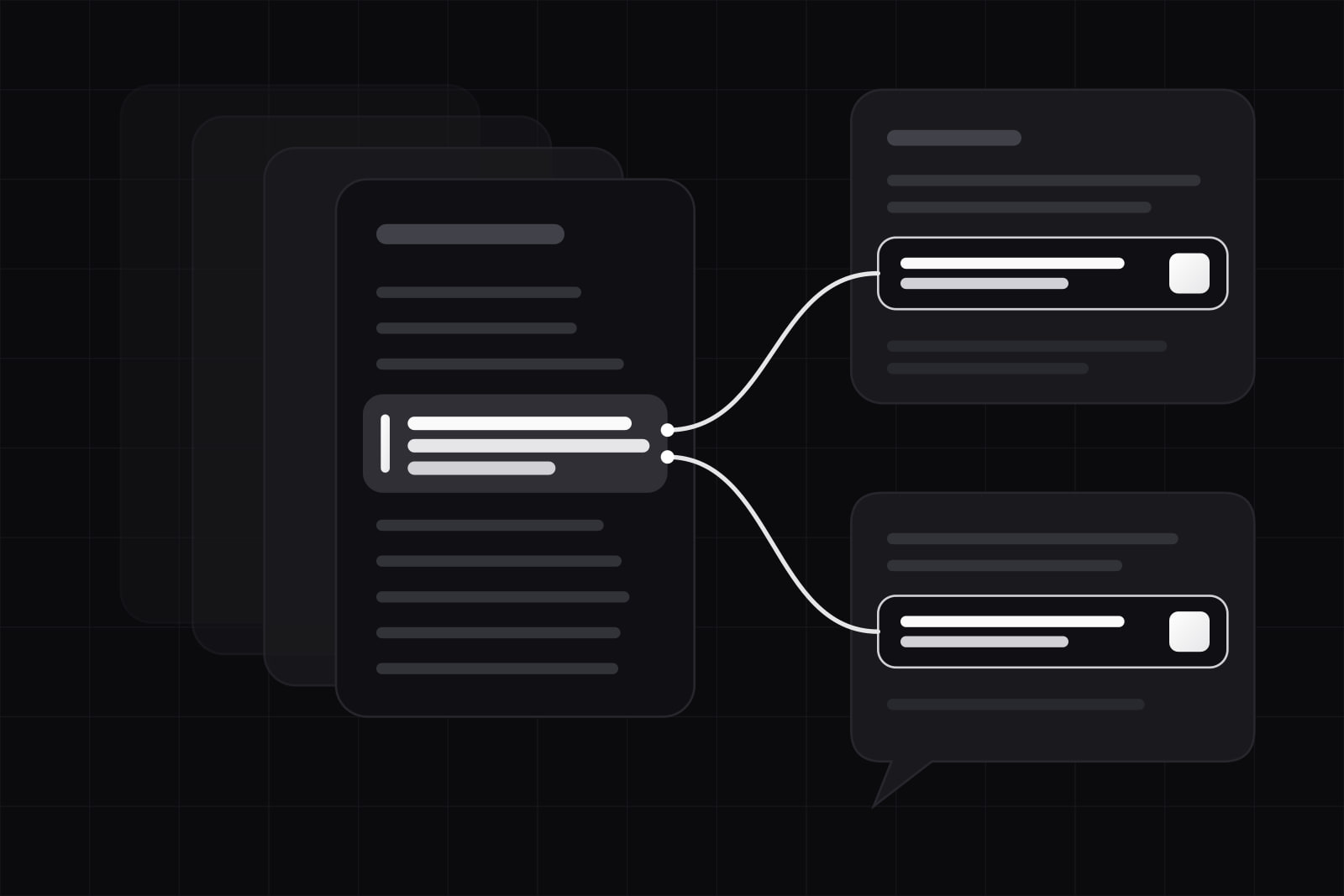
AI Mode works differently, and the difference is the whole story. Instead of answering your question directly, it uses a technique Google calls query fan-out: it breaks the original question into multiple sub-queries, sends each to the index independently, and assembles the answer from the best passage for each. A single prompt can trigger dozens of parallel searches across facets of the same topic.
That changes what gets cited. AI Mode is not scoring your page as a whole. It is scoring individual passages against sub-questions you never see. It cites 9.2 domains per query on average, references 3.3 entities (more than double AI Overviews), and produces answers roughly four times longer. Wikipedia appears in 28.9% of AI Mode responses, a sign that AI Mode leans harder on encyclopedic, definitional sources. A page that ranks nowhere for the head term can still win a citation if it answers one narrow sub-query better than anyone else.
A worked example
Take the query "usage-based pricing for SaaS". AI Overviews cites the two or three pages that rank for that exact phrase and writes a short definition. AI Mode fans the same query into sub-questions: what usage-based pricing is, how it compares to per-seat, how to meter usage, and where it goes wrong. Then it cites a different page for each sub-question. A single deep guide that covers all four facets can be cited multiple times inside one AI Mode answer, while a thin definition page appears once in the Overview and nowhere in AI Mode. The shape of your content, not just its rank, decides how many times you are cited.
Google merged the interface, not the engines
At Google I/O in May 2026, Google announced that AI Overviews and AI Mode were merging into "one seamless AI Search experience". Users now slide from a standard results page into an AI Overview and then into an AI Mode conversation without switching surfaces, and follow-up questions keep their context. It is easy to read that as "the two are now one thing". The citation data says otherwise. The interface is unified. The retrieval methods behind it are not. A single-pass summary and a fan-out reasoning engine still select sources by different criteria, which is exactly why the 13.7% overlap persists even as the UI collapses into one box. Optimizing for "Google AI" as a single target is a mistake. You are optimizing for two engines wearing one coat.
How to earn citations on both
The two systems reward overlapping but distinct things. These are the moves that pay off across both.
- Answer the sub-questions, not just the headline. Fan-out rewards pages that address facets: pricing, limits, edge cases, comparisons, prerequisites. Give each its own clearly labeled section so AI Mode can lift the passage it needs. This is the single highest-leverage change for AI Mode visibility.
- Lead with a clean definition. Both surfaces favor pages that state what something is in the first two sentences, and AI Mode's pull toward encyclopedic sources rewards it twice over. Open explainers with a one-sentence definition before any context.
- Raise entity density. AI Mode references 3.3 entities per answer. Name the specific tools, standards, versions, and companies involved instead of writing around them. Vague content gives the model nothing to anchor to.
- Use lists where they fit. A Search Engine Land analysis of 25,000 cited URLs found AI search over-cites list-formatted content. Numbered and bulleted structures are easier to extract as discrete facts.
- Do not assume rank equals citation. Ranking page one helps in AI Overviews and barely predicts AI Mode. Track the two as separate goals.
What we do
On our own articles we write to the fan-out first. Every explainer opens with a definition lead, then splits into facet-level headings that each answer one sub-question a buyer would actually type. We name tools and cite primary sources at the claim, not in a footer. It is the same discipline whether the target is a quick AI Overview or a deep AI Mode answer, because the underlying signal, extractable and factual and entity-dense passages, is what both engines read. We cover the mechanics in more depth in our guide to writing the first 200 tokens for AI citation and our GEO best practices for 2026.
Sources
- Ahrefs: AI Overviews vs AI Mode citation overlap study
- Search Engine Journal: Google AI Mode and AI Overviews cite different URLs
- Search Engine Land: query fan-out in AI search
- Search Engine Land: users behave differently in AI Overviews vs AI Mode
- Search Engine Land: what 25,000 cited URLs reveal about AI citations
Frequently asked questions
No. Ranking well correlates with AI Overviews citations because that surface summarizes the top results, but it barely predicts AI Mode, which fans a query into sub-questions and cites the best passage for each. Ahrefs found that 77% of cited domains appear on only one of the two surfaces. Treat classic rank and AI citation as related but separate goals, and track them separately.
Yes. The May 2026 merge unified the interface, not the retrieval engines. AI Overviews still runs a single-pass summary and AI Mode still runs query fan-out, so their citations overlap only about 13.7%. A page tuned only for the quick Overview answer will still miss most AI Mode citations, and the reverse is true too. The merge changed what the user sees, not how sources are selected.
There is no clean report yet. Google Search Console groups AI-surface impressions with regular search and does not break out AI Mode. The practical method is manual: prompt AI Mode with your target questions and their likely sub-questions, then log which domains it cites. Third-party AI-visibility trackers are emerging but remain sample-based. Measure the sub-queries, not just the head term, because that is what AI Mode retrieves against.
Related articles
Infra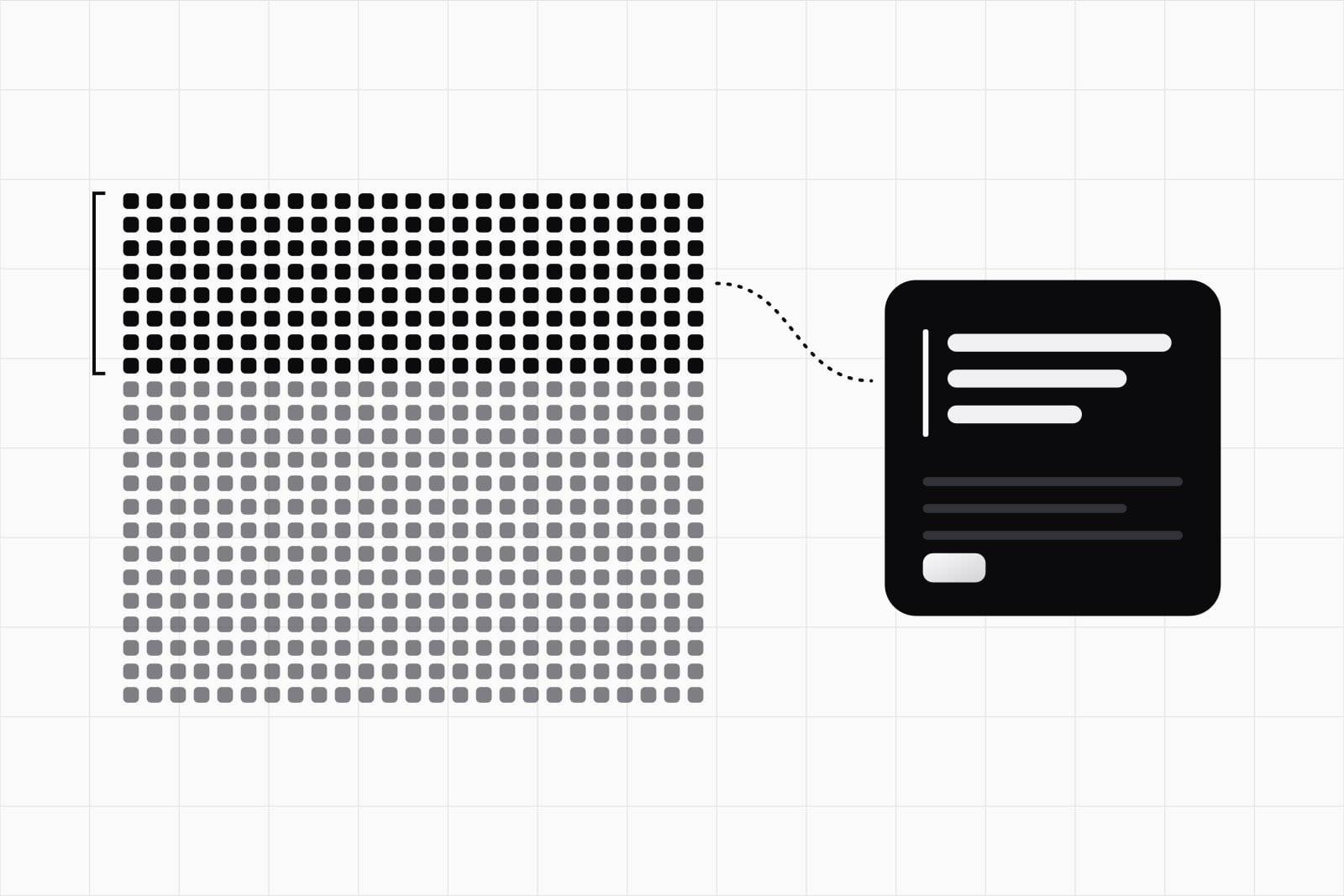 Infra
InfraHow to write the first 200 tokens so AI engines cite your article
The first 30% of an article drives 44% of AI citations. A practical guide to an opener ChatGPT, Claude and Perplexity quote cleanly. Infra
Infra