Product Design
Design systems, UX patterns, motion, accessibility, design tokens, Figma to code workflows.
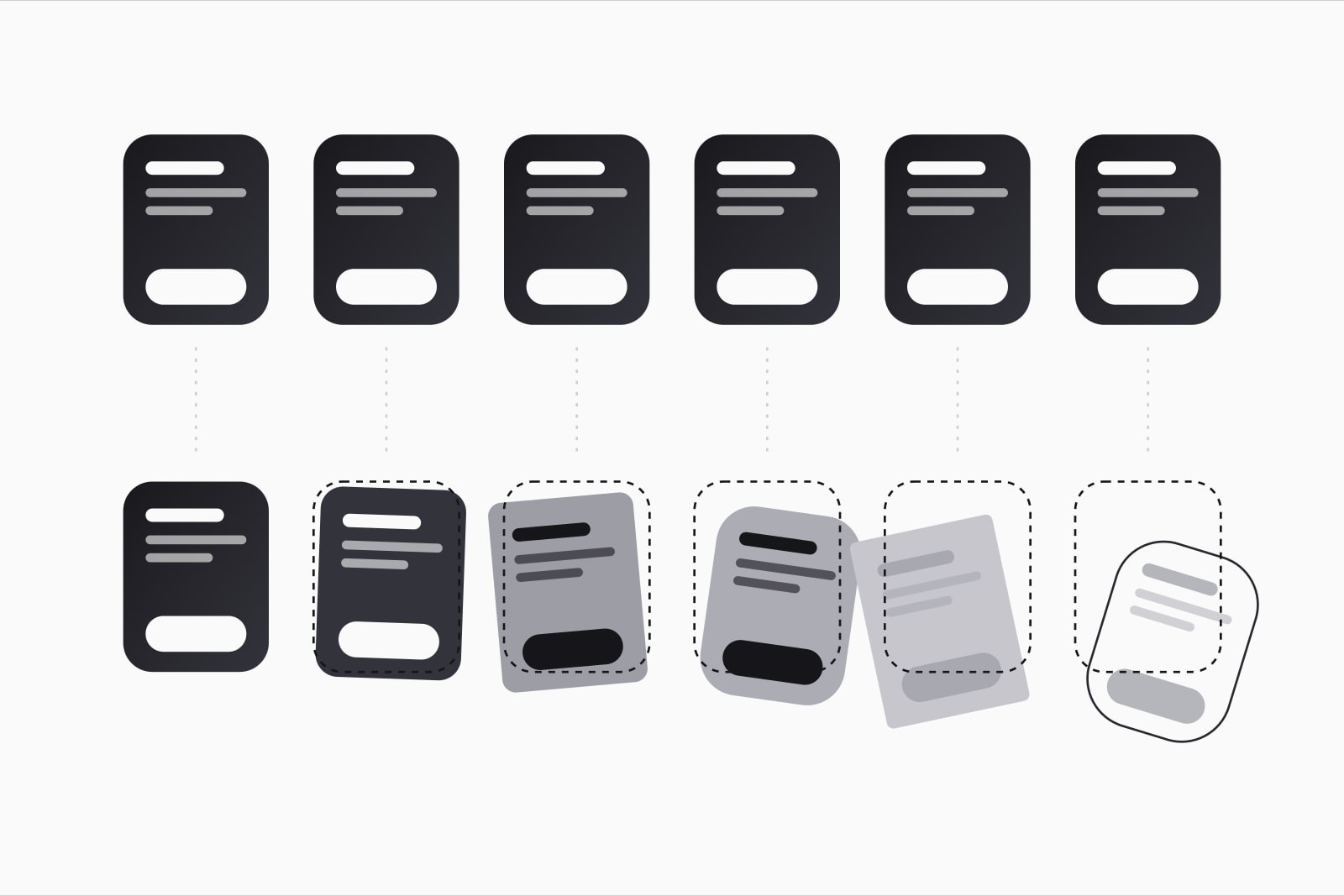
Component drift: how design systems decay and how to catch it
Only 8% of teams call their design system stable. Component drift is the gap between the system you designed and the UI that ships. Here is how to catch it.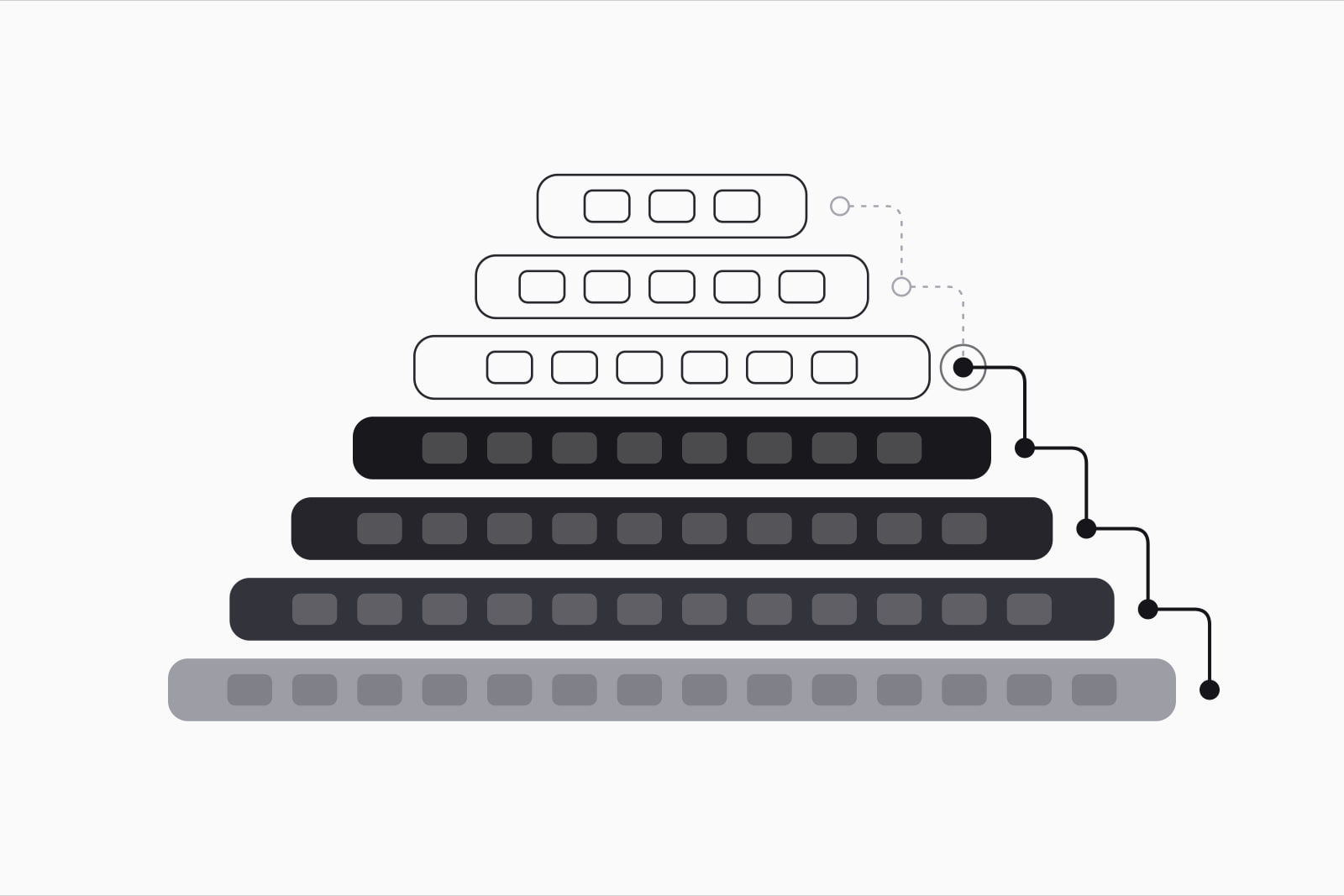
Design system structure: the 7 categories and the build order
A design system holds or rots based on the order you build its parts. Here are the seven categories every scalable system needs, and the sequence.
Why we kill components instead of adding them: the design system diet
Most design systems grow until they break. We treat the component count as a number to keep small. Here is the rule set we use to prune ours every quarter.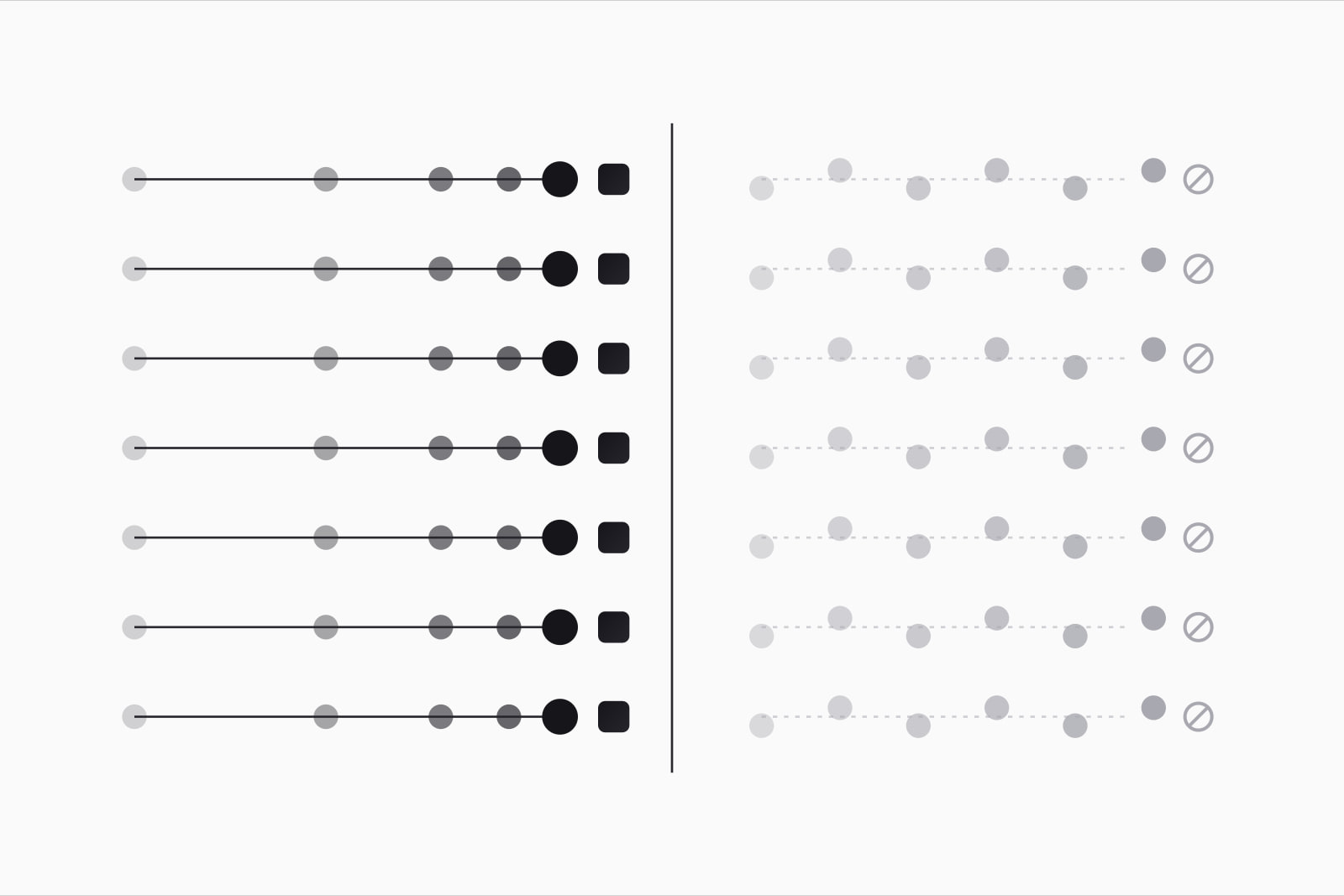
Functional UI animation in 2026: the checklist before it ships
The 7 do, 7 don't checklist we apply on every product we ship: durations from 100 to 500ms, opacity and transform only, prefers-reduced-motion honored at the root.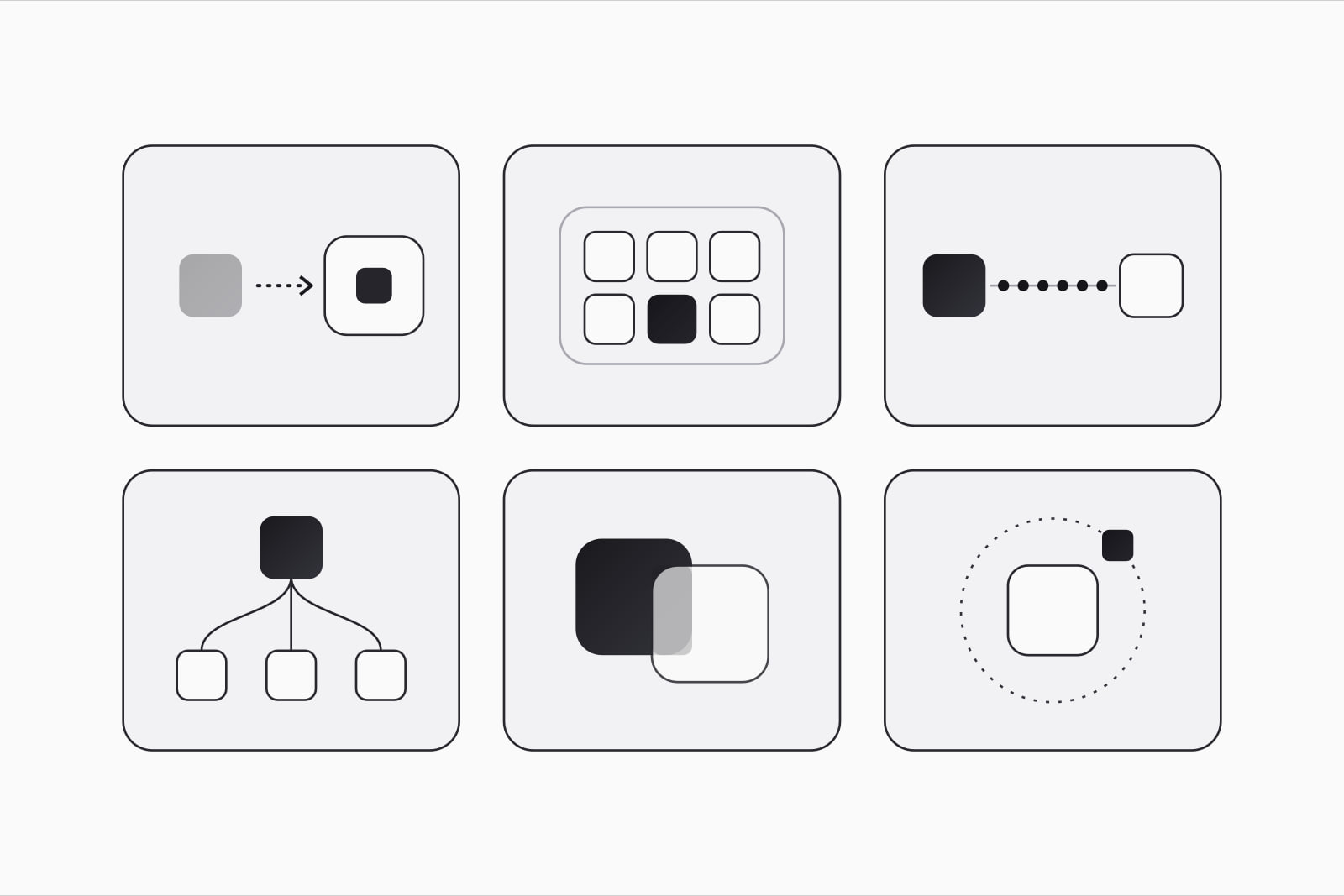
Design system as a service: 6 agency models compared in 2026
Design system as a service is an ongoing engagement: an agency builds, governs, and evolves your system instead of handing it off. Six models compared.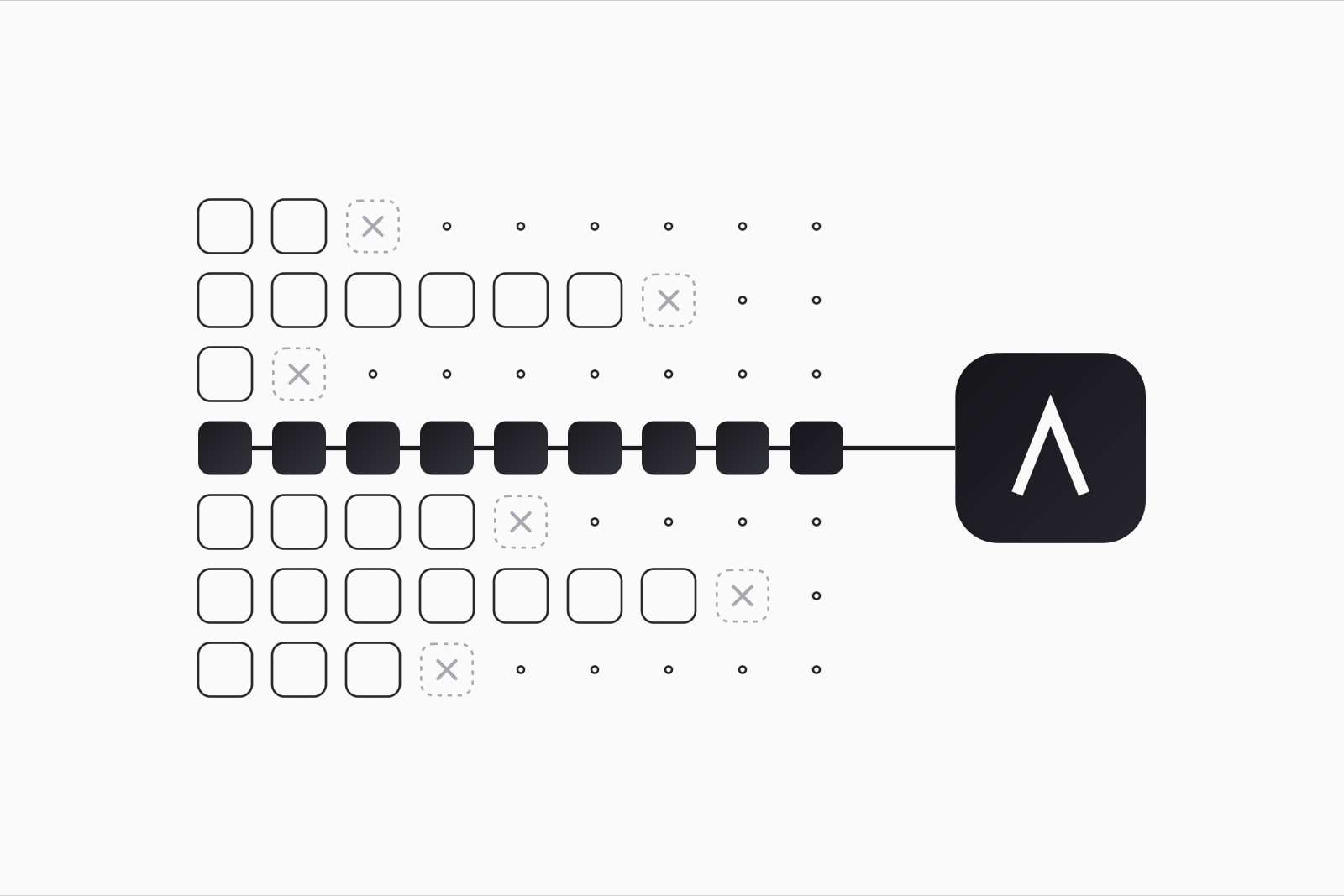
How to choose a B2B SaaS design agency in 2026
Most agency hires fail before the contract is signed. A 9-step process to pick a B2B SaaS design agency that ships strategy, not just screens.
Best SaaS design agencies in 2026: how to actually compare them
SaaS design agencies in 2026 fall into six archetypes, from $449-a-month subscriptions to $500k+ programs. Match one to your stage, not to a ranked list.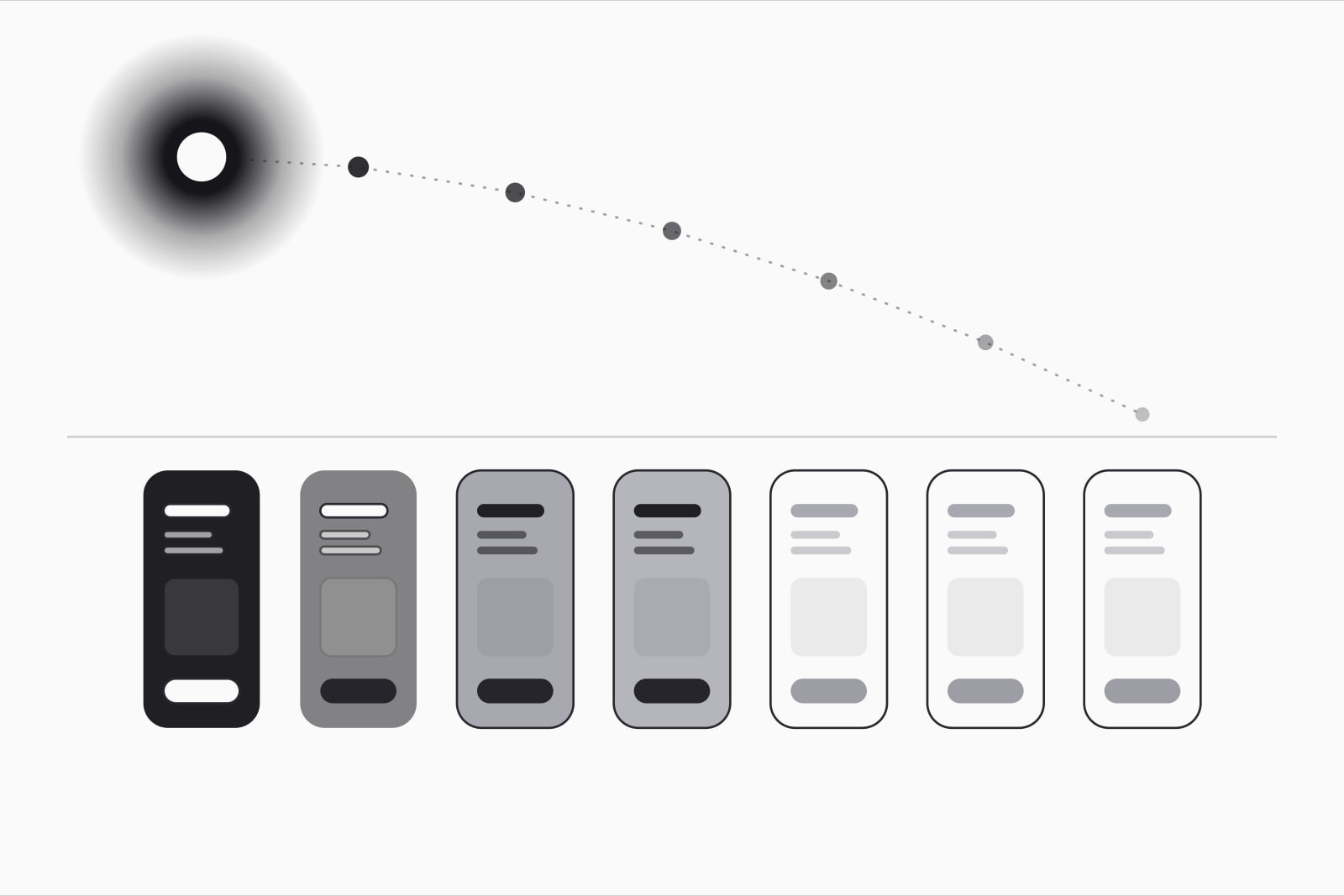
Dark mode is not a toggle: context-aware theming in 2026
Dark mode adoption hit 82% on mobile in 2025, but a header toggle still ignores ambient light, time of day, and task. Here is the fix.
Accessibility-first design after the EU Accessibility Act
The EAA became enforceable on 28 June 2025. Here is what changes for product teams shipping to the EU and what accessibility-first design actually means.
Calm UI in 2026: the shift away from animation theatrics
Calm UI keeps interface motion in the user's periphery, animates only when state changes carry meaning, and treats animation as a cost not a default.