
 Infra
InfraGEO vs AEO: what actually differs, and what changes in 2026
AEO grew out of featured snippets. GEO came from a Princeton paper at KDD 2024. The mechanics, the crawlers and the reporting split. The checklist does not.
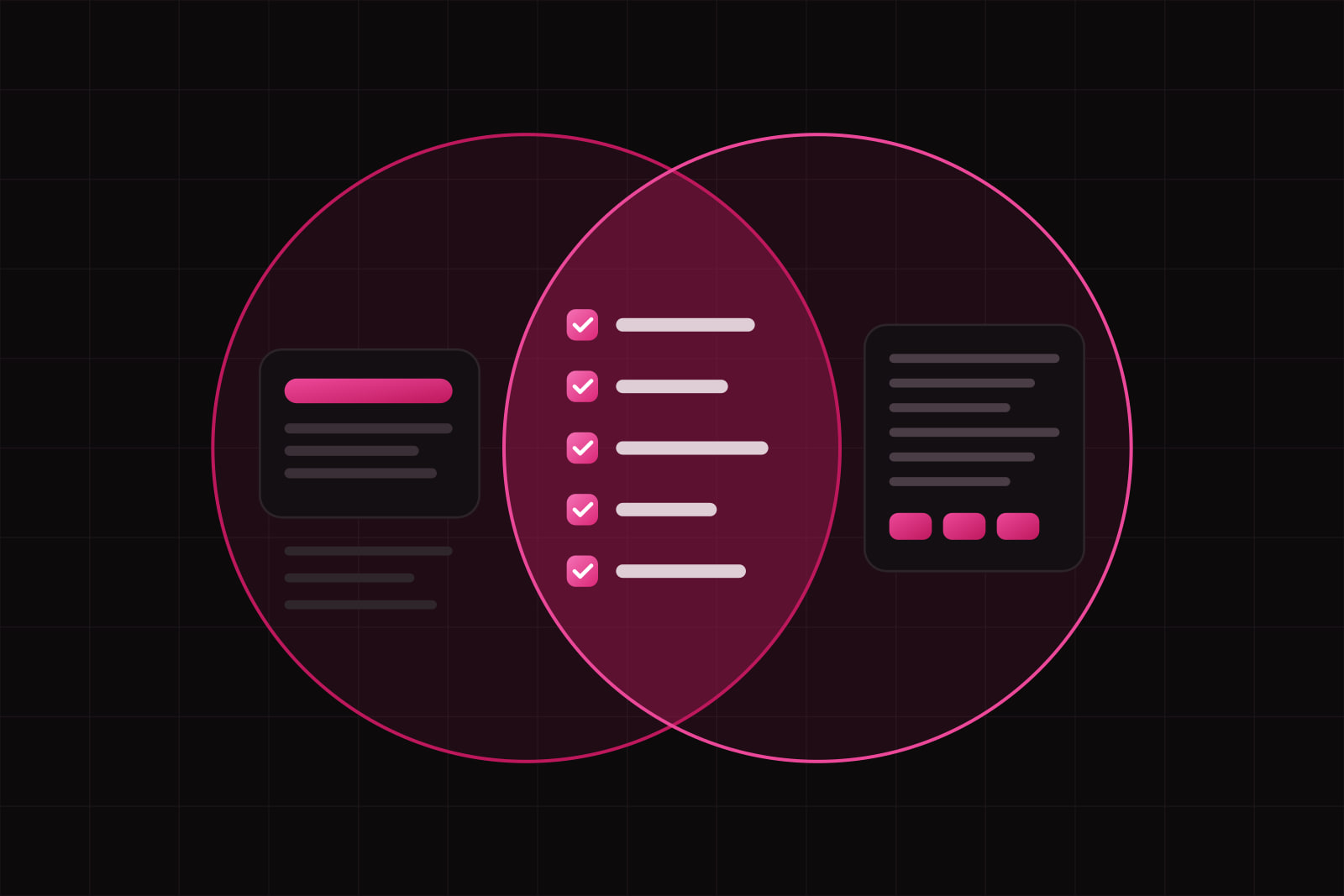
Generative engine optimization (GEO) is the practice of getting a page cited inside an answer that a language model writes. Answer engine optimization (AEO) is the older practice of getting a page lifted as the answer itself: the featured snippet, the voice response, the box above the ten blue links. GEO wants you in the bibliography. AEO wants you in the sentence.
Both chase the same commercial outcome, visibility on a result that no longer sends a click by default. They diverge on three things that matter operationally: which format pays out, which crawler has to reach the page, and what you can measure afterwards. Everything else in the two playbooks overlaps enough that one team can run one process for both.
The 30-second version
- AEO targets extraction. A machine reads your page, finds the passage that answers the query, and shows that passage. The unit of success is a paragraph.
- GEO targets synthesis. A model reads several sources, writes a new answer, and attributes parts of it to the sources it leaned on. The unit of success is a citation.
- The overlap covers most of the work: crawlable HTML, a direct answer near the top, factual density, clean structure, sources a reader can check.
- The split shows up in measurement. Google reports AI-answer impressions in Search Console. ChatGPT, Claude, and Perplexity report nothing, so citation tracking has to be built or bought.
Where each term came from
AEO grew out of featured-snippet and voice-assistant work in the late 2010s. The job was mechanical: answer the question in one paragraph, near the top, in the words the query used, and hope Google picked it. It was never a markup exercise. Google's documentation still says you cannot mark a page as a featured snippet, and that the selection is made programmatically (Google Search Central, featured snippets).
GEO has a birth certificate. The term comes from a paper by Pranjal Aggarwal and colleagues at Princeton, presented at KDD 2024, which built GEO-bench (10,000 queries across nine domains) and tested nine content changes against a generative engine that mimicked Bing Chat. Three moved the needle hard: adding citations, adding quotations, adding statistics, each worth up to roughly 40% more visibility for the modified source inside the generated answer (Aggarwal et al., GEO: Generative Engine Optimization). That paper is why GEO means something specific while most acronyms in this space do not.
How an answer engine picks an extract
An answer engine ranks pages first, then looks inside the top results for a span of text that satisfies the query. The ranking is ordinary search ranking. The extraction is a passage-level judgement: does this paragraph, list, or table answer the question standing alone, without the page around it.
The consequences are unglamorous. Put the answer in one self-contained paragraph of 40 to 60 words. Use the question's own phrasing in the heading above it. Keep lists short and parallel, because lists get lifted whole. Do not bury the answer under a preamble about why the question matters.
How a generative engine picks a citation
A generative engine retrieves a set of candidate documents, then writes an answer and attributes parts of it. Retrieval decides whether you are in the running. Attribution decides whether your name appears. The second step is where GEO earns its keep, because a model attributes the passages that carried specific, checkable information: a number, a date, a named standard, a quoted line.
That is the mechanism behind the Princeton result. A paragraph with a statistic and a source is easier to attribute than a paragraph of good advice, because the model has something to point at. Generic authority reads as background knowledge and gets absorbed without a link. We covered the first-paragraph version of this in how to write the first 200 tokens.
The crawler question
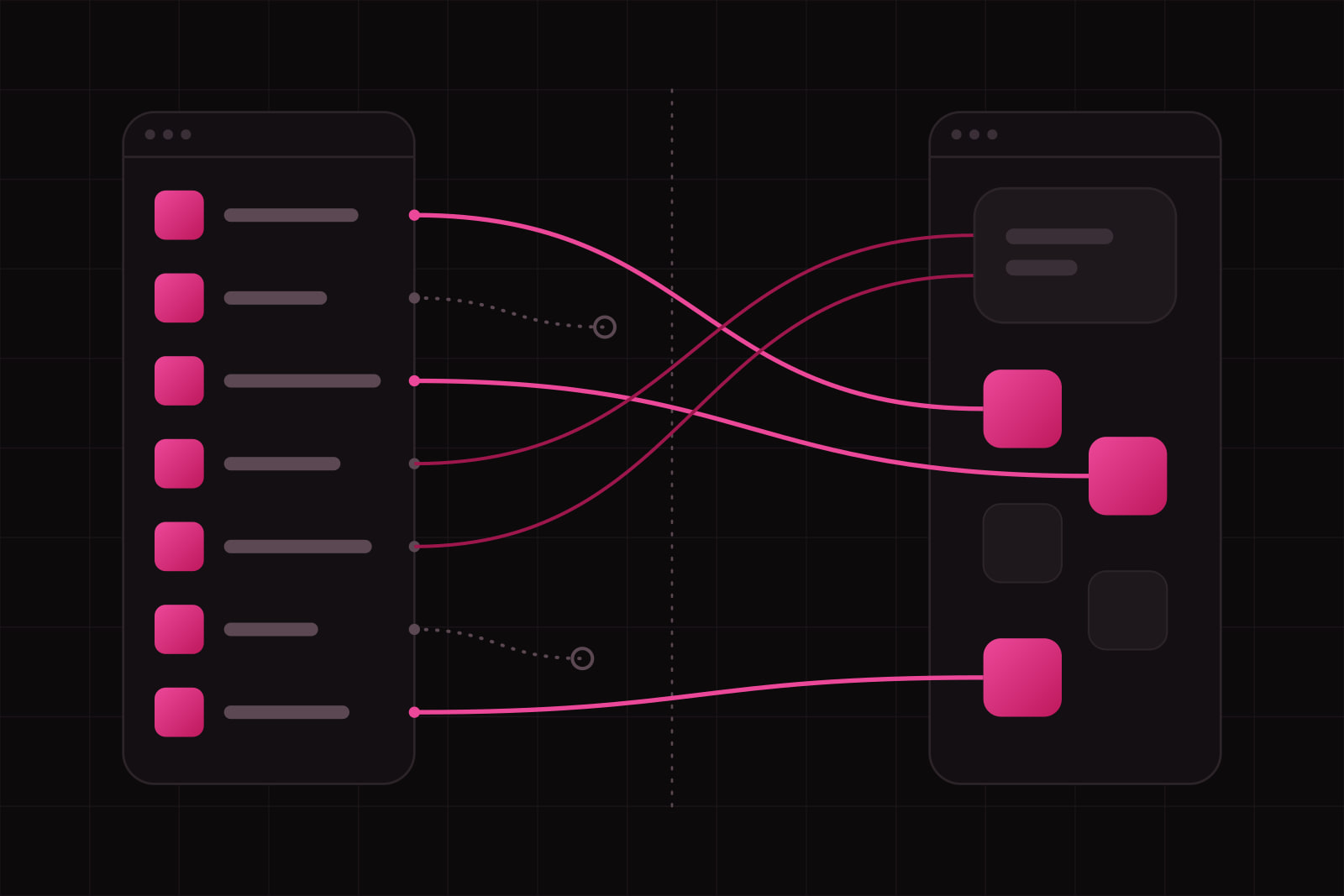
Here the two disciplines stop being interchangeable. AEO runs on Googlebot and Bingbot, which nearly every site already allows. GEO runs on a longer list, and the names matter because they do different jobs. OpenAI documents three: OAI-SearchBot for surfacing sites in ChatGPT search results, ChatGPT-User for fetches a user's prompt triggers, and GPTBot for training data (OpenAI, Bots). Blocking GPTBot to stay out of training does not block OAI-SearchBot. Blocking all three removes you from ChatGPT's citable set entirely.
Google splits the same way with Google-Extended, which governs Gemini training and grounding without touching Search ranking. A robots.txt written in 2023 to keep AI out is, in 2026, an AEO strategy with the GEO switched off. That is a defensible position. It should be a deliberate one.
What you can actually measure in 2026
Measurement is where the labels finally pay for themselves, because the reporting is asymmetric.
On the Google side, Search Console added Search generative AI performance reports on 3 June 2026: impressions and pages for AI Overviews and AI Mode, broken down by country, device, and date (Google Search Central Blog). The report carries no click data, and it rolled out incrementally rather than to every property at once. So you can see whether a page appears in Google's AI answers. You cannot see what that appearance earned.
Everywhere else there is no console. ChatGPT, Claude, and Perplexity publish no publisher-facing analytics, so citation rate has to come from prompt-testing your own query set or from a third-party tracker. And results do not transfer between engines: Semrush compared 730,000 response pairs and found AI Mode and AI Overviews agree semantically about 86% of the time while overlapping on only 13.7% of cited URLs (Semrush AI Mode comparison study). Two Google products, one index, almost no shared bibliography. Expect less agreement across vendors, not more. We took that comparison apart in AI Overviews vs AI Mode, and the KPI side in GEO KPIs in 2026.
Where the two converge
Most of the checklist is shared, which is why the vocabulary fight is mostly noise:
- Server-rendered text. Content behind client-side JavaScript is a coin flip for both.
- An answer inside the first 200 words, in the reader's phrasing.
- Question-shaped headings, because extraction and retrieval both score at section level.
- Numbers, dates, versions, named entities. Specificity is the shared currency.
- Outbound links to primary sources that still resolve.
- Real timestamps and honest updates.
Structured data sits in this shared bucket, with one caveat worth stating plainly. Google says there is no special schema for AI features and no AI-specific markup to add (Google Search Central, AI features and your website), and the optimization guide it published in May 2026 repeats the same fundamentals (Google, optimizing for generative AI features). Schema still earns its place: it disambiguates entities, drives rich results, and costs a few kilobytes. Do not expect an FAQPage block to buy a citation. Our JSON-LD walkthrough is here.
Where the label changes the work
Three cases where the wrong frame costs real time.
Content length and shape
AEO rewards a tight, extractable passage. GEO rewards a page dense enough to be worth retrieving for several related queries. A 300-word answer page can win a snippet and never enter a generative answer set, because retrieval prefers documents with more material in them. When both matter, write the long page and put the extractable paragraph at the top of it.
Brand versus URL
An answer engine sends a click to a URL. A generative engine often names a brand in prose and links once, or names it with no link at all. That pulls mention tracking into the job and changes what counts as a win. See brand mentions vs backlinks.
Update cadence
A featured snippet can hold for months. A generative answer is recomposed at prompt time, against whatever the retrieval layer indexed most recently. A stale number on a page does more than look bad: it gets the page passed over for a fresher source that says the same thing with this year's figure.
Which word to use
Internally, pick one and define it in the brief. We use GEO, because the engines we care about synthesize rather than extract, and because the term has a paper behind it. AEO stays useful when the actual target is a featured snippet or a voice answer, where extraction is the whole game.
Externally, the choice is a positioning decision more than a technical one. Some tool vendors standardized on AEO, some on GEO, and a few now write "AI search optimization" to sidestep the argument. None of that changes the work: crawlable, specific, sourced, current. The label is how you talk about the work. The audit is how you know it is happening.
Sources
- Aggarwal et al., GEO: Generative Engine Optimization (KDD 2024)
- Google Search Central: AI features and your website
- Google Search Central: optimizing for generative AI features on Google Search
- Google Search Central Blog: Search generative AI performance reports in Search Console
- Google Search Central: featured snippets
- OpenAI: Bots (OAI-SearchBot, ChatGPT-User, GPTBot)
- Semrush: AI Mode vs AI Overviews comparison study
Frequently asked questions
No. Featured snippets and voice answers still work by extraction, and they still send clicks. What changed is the share of queries where an extracted answer is the whole result. If your traffic comes from definition and how-to queries with a snippet on top, the AEO work still pays for itself. Budget it as one result format among several instead of the only one.
The same team can do it when it already owns the technical layer. Most of the checklist is the crawlability, structure, and freshness work an SEO team runs today. The genuinely new parts are narrow: a crawler policy for AI bots, a fixed prompt set to test citations against, and tracking for mentions that carry no link. Those are additions to a scope, not a separate discipline. When a vendor pitches GEO as a standalone service, ask which of those three they will run and how they will report on them.
No engine has publicly committed to reading it, so treat it as cheap and unproven. It is a markdown index of your important pages at the site root. Generated from your sitemap it costs an hour and nothing to maintain, which is why we ship one. It replaces nothing: crawlable HTML and a clean sitemap still do the work. Any claim that llms.txt drives citations is currently unsupported by evidence.
No engine publishes a timeline. The gate is recrawl: a generative answer is composed at prompt time from whatever the retrieval index holds, so a page crawled often can enter the candidate set sooner than one crawled rarely. Google’s Search Console AI reports lag by a couple of days like the rest of its performance data. Measure monthly against a fixed prompt set, never off a single prompt on a single day.
Related articles
Infra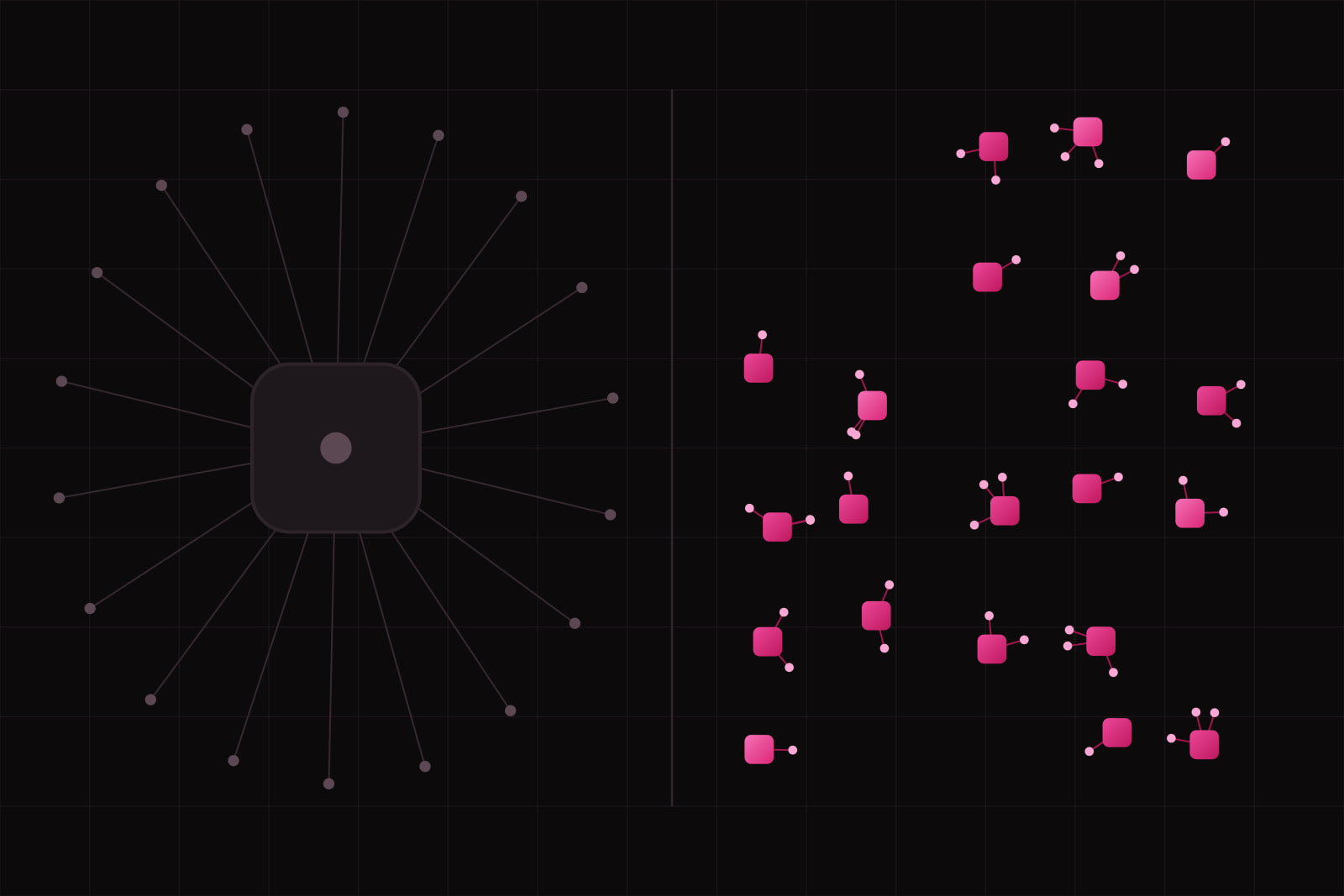 Infra
InfraCloudflare Workers AI vs the OpenAI API: where each wins
Workers AI bills $0.011 per 1,000 Neurons and runs on GPUs in over 180 cities. Here is where that beats a hosted API, and where it does not. Infra
Infra