

 AI
AIClaude Partner Network tiers: what Select and Preferred prove
Select asks for 10 active certified people and 2 customers in production, Preferred for 100 and 15. What each Claude partner tier proves and what it leaves out.
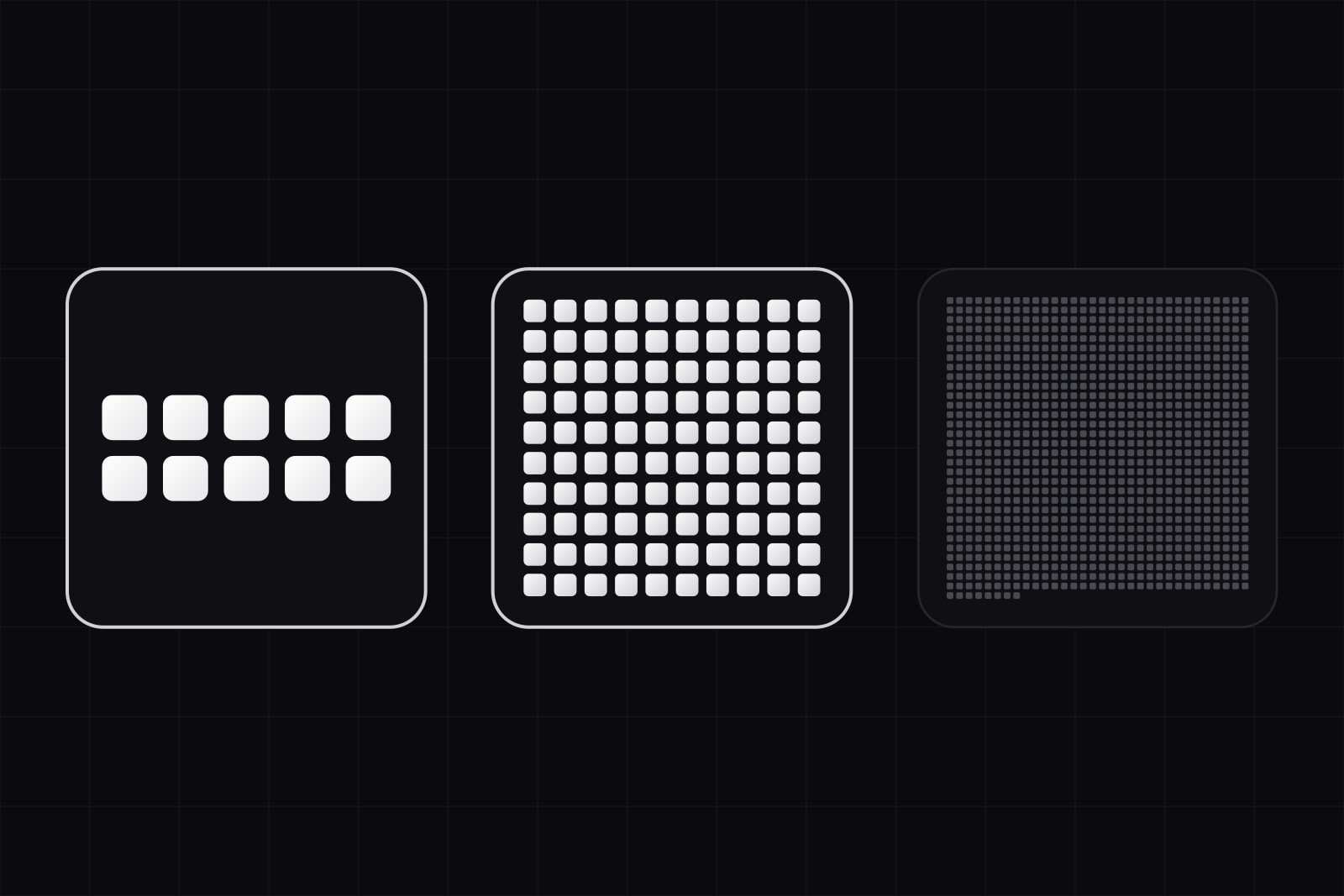
The Claude Partner Network is Anthropic's program for the consultancies, agencies and studios that deploy Claude for their clients. Its Services Track ranks those firms in tiers by three counts: certified people who still use Claude, customers running it in production, and customers who vouch for the work in public. Select is the first tier, Preferred the second and Global Premier the third. Each step multiplies the certified headcount by ten.
If you're choosing a firm to put Claude into your product or your operations, the tier is now one of the first things a vendor will tell you. It's worth knowing what sits behind the word. This brief covers what each tier requires, what that proves about a firm, what it can't tell you about your project, and how to use it on a shortlist.
What is the Claude Partner Network?
Anthropic launched the network on 12 March 2026 and committed $100 million to it for the year: partner training, technical support and joint marketing. Membership is free, and any organization bringing Claude to market can join. Accenture, Deloitte, Cognizant and Infosys were in from the first day, alongside professional services firms, specialist AI firms and agencies.
Members get Anthropic's training material and certification exams, and a place in the directory buyers search. On customer deals they can call on Anthropic's Applied AI engineers, and on its technical architects for complex implementations. The first technical exam, Claude Certified Architect, Foundations, opened on launch day. By June, more than 40,000 firms had applied to join and more than 10,000 consultants held a Claude certification.
What does each Services Track tier require?
On 3 June 2026 Anthropic added the Services Track and the Claude Partner Hub. The track publishes the thresholds a services firm has to meet to hold each tier. The Hub shows every firm its own standing against them, refreshed daily. A new member starts at Registered, the entry level, with a commitment to reach 10 certified practitioners. Above it sit three tiers:
- Select. At least 10 active certified individuals, at least 2 customers deployed in production in the trailing 12 months, and at least 1 public customer story.
- Preferred. At least 100 active certified individuals, at least 15 deployed customers and at least 3 public stories.
- Global Premier. At least 1,000 active certified individuals, at least 100 deployed customers across three or more regions, at least 15 public customer stories, and a joint business plan with Anthropic that names executive sponsors.
The word "active" carries most of the weight. Anthropic counts a certified practitioner only while the certification is current and the person has used Claude in the past 90 days. Someone who passed the exam in spring and hasn't opened Claude since no longer counts by autumn.
Tiers move on a fixed calendar. Promotions are processed twice a year, on 1 January and 1 July, and Anthropic added one extra review on 1 October 2026. A firm that crosses a threshold in February moves up in July.
What a Select or Preferred tier proves
Each threshold answers a question you'd otherwise have to ask yourself, and Anthropic keeps the score.
- The firm works with Claude today, and you know with how many people. Ten active certified people at Select, a hundred at Preferred, each of them current on the exam and on the product within the last 90 days.
- The firm has systems in production. Two customers in production within the last twelve months for Select, fifteen for Preferred. Production means a system people use for real, past the pilot.
- Someone outside the firm puts their name on the work. One public customer story for Select, three for Preferred. You can read them before you talk to the vendor.
The directory makes all of it public. Every partner's tier, certified team, customer deployments and public references are visible to anyone evaluating partners. A claim in a sales deck can be checked against the listing in a minute.
What a tier leaves out
A tier describes a firm. Your project will be run by a team inside that firm, and four things that decide how it goes sit outside the count.
- Who works on your account. A Preferred firm has at least 100 active certified people. The tier doesn't say which of them will be on your project, or how much of their week it gets.
- Whether the deployments look like yours. Fifteen production customers can be fifteen internal chat assistants. If you need an agent that writes to your billing system and leaves an audit trail, the count won't tell you whether the firm has built one.
- What happened after go-live. The threshold counts customers in production. Cost per request, evaluation scores, incidents and who's on call when something fails are questions for the references.
- Size, as much as skill. The tiers start at ten certified people. A specialist firm of six can't hold Select, whatever it ships. And a firm that grows quickly can sit a tier below its real work until the next review.
How to use the tiers on a shortlist
- Match the tier to the size of the program. A rollout across several countries, with procurement and a steering committee behind it, is what Preferred and Global Premier measure: people, deployments and regions at volume. A single integration, in one product, owned by one team, calls for depth in that kind of system more than headcount. If you're still deciding what kind of firm you need, start with AI consulting firm vs AI studio.
- Read the directory entry before the first call. Check the tier, the size of the certified team and the public references, then read the stories. Look for a customer whose data, industry and scale resemble yours.
- Ask for names. Who leads the work, which Claude certification each person on the team holds, and the last system each of them put into production. A certification belongs to a person. The tier belongs to the firm.
- Ask for a walkthrough of one production system. The architecture, the evaluation suite, the guardrails, the cost per request and the incident history. Our guide to what to look for in a Claude integration partner walks through them in eight checks.
- Hold every firm to the same evidence. A Registered member, a firm between reviews or a specialist below the thresholds can show the same proof directly: named certified people, systems in production, customers who'll take a reference call. The questions stay the same. Only the source of the answers changes.
Budget is the other half of the decision. For the numbers, broken down by scope, see what an AI integration costs.
A tier is the fastest filter on a shortlist, and its numbers are real. The choice itself rests on the team that will build your system, and on the systems that team has already built.
Sources
Frequently asked questions
It means Anthropic has counted what the tier requires, against thresholds anyone can read: active certified people, customers in production and public stories. Membership on its own is free and open to any organization bringing Claude to market, so a member firm can sit at Registered, the entry level, without holding any of the three tiers. Neither membership nor a tier is a promise about a specific project. For that, look at the people and the systems behind the listing.
A certification belongs to a person. Claude Certified Architect, Foundations was the first exam, opened in March 2026. A tier belongs to a firm, and it counts certified people only while their certification is current and they've used Claude in the past 90 days. A firm can employ certified architects and hold no tier, and a tiered firm can staff your project with people who aren't certified. Ask about both.
Look the firm up in the public directory of the Claude Partner Hub, which lists each partner's tier, certified team, customer deployments and public references. A press release is the firm's own announcement; the directory is Anthropic's record. If a vendor quotes a tier, ask for the link to its listing.
Related services
Related articles
AI AI
AIA2A protocol: how to design an agent API other agents can call
A2A v1.0 shipped in March 2026. Six design steps for an A2A server: Agent Card, outcome skills, eight task states, bindings, per-call auth, versions. AI
AI